
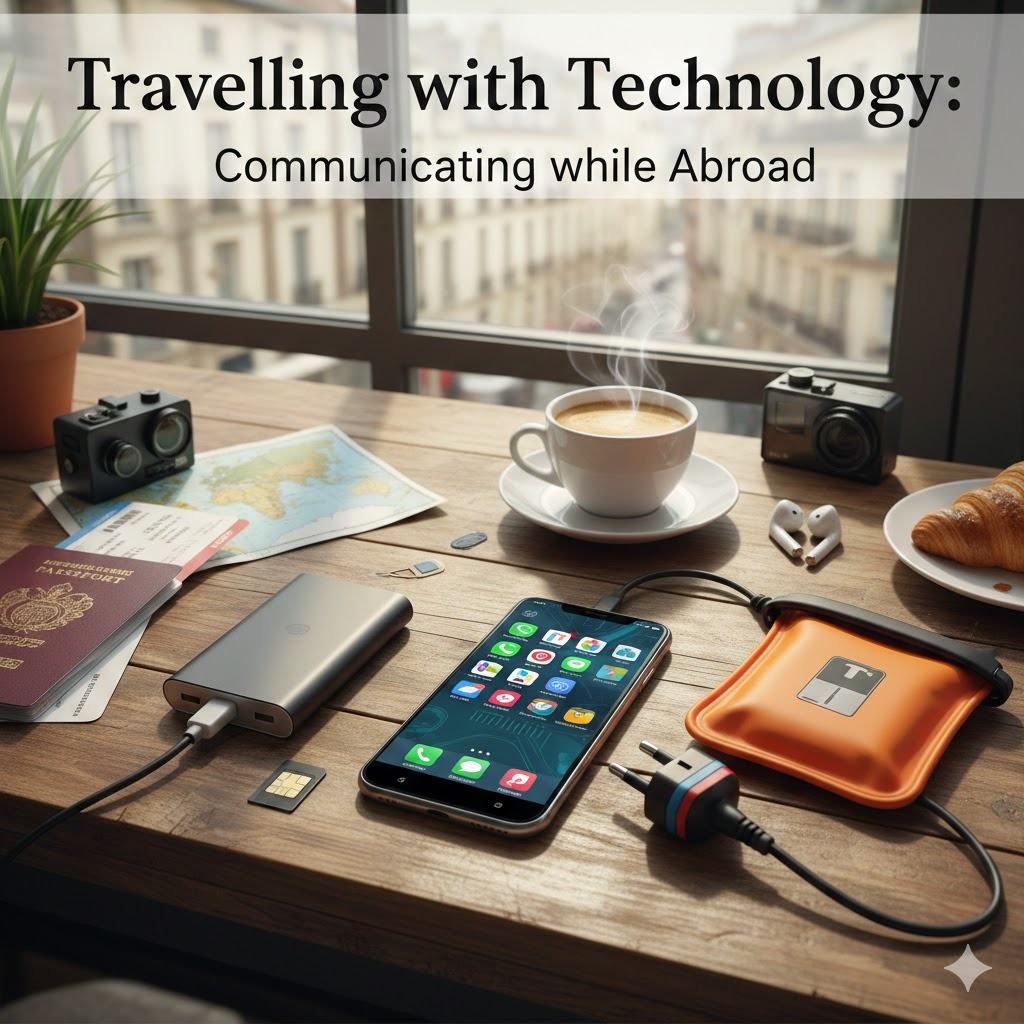
The world is increasingly connected through technology. We are now able to communicate despite differences in languages and locations. We have devices we take with us everywhere that allow us to connect with our family across the world. We can translate languages in real using apps and devices which allow us to communicate with locals. Maintaining a connection is critical to many while abroad, but lots of people don’t consider what options they have. Being aware of effective, safe, and cost friendly methods of communication allows travels to be safe and stay on budget.

You have many options for how you communicate as a traveller. Some decide to not connect at all, and only use internet connection when it becomes available. If you are a traveler doing this you should consider using a VPN or ensure that the network is secure if you are doing anything that has personal information. Here is blog by Find Us Lost that breaks down using VPNs while travelling if you want to learn more. Providers for local cell service often charge absurd rates while travelling abroad. If you do want to maintain a stable connection you can do so in a cost friendly way by using eSIMs or local SIM cards. Some places only allow local SIM cards and not eSIMs, so make sure you look up what will work best for the area you are travelling. When my partner and I travelled to Bali, Indonesia we had to purchase a local SIM card. Make sure you bring your passport because places often don’t accept any other form of identification for travellers. We learned that the hard way when we had to go back and get passports from our Airbnb. I would recommend using an eSIM when possible, especially for most of Europe because they are cheap and easily usable. Some will be very expensive because they claim they have better coverage, but if you don’t plan to go to rural areas you won’t need to worry. This Popular Science site gives a good explanation of eSIMs including what they are and how to use them. This is a great Reddit thread on eSIMs that I would highly recommend for cost analysis. If you are still not convinced you can make AI do a breakdown on costs, but it will most likely just pull from the top sites, so I would recommend looking to travel blogs or Reddit threads.
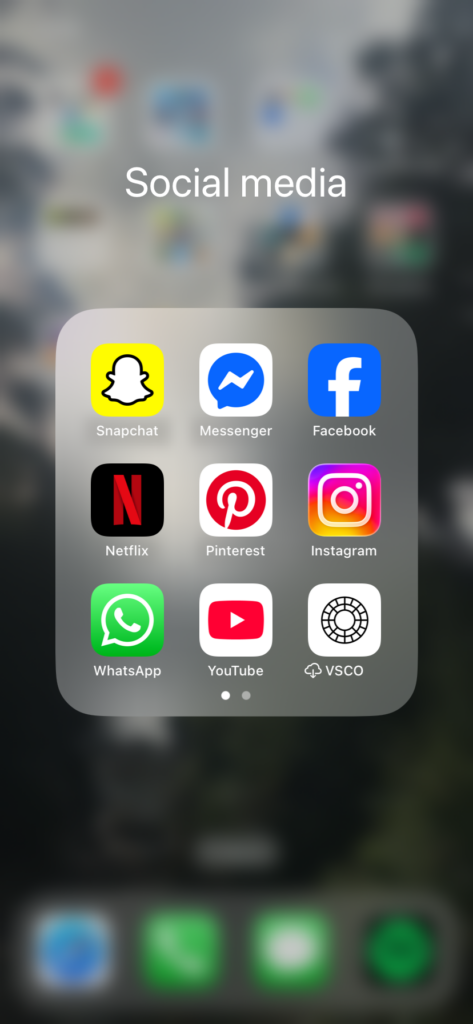
We can communicate with others using different methods beyond traditional calling and texting. People around the world use WhatsApp for reliable communication. WhatsApp requires you to connect your phone number with a personal account which you can use to message others through a wireless connection. It has become popular for its ease connecting internationally and become a standard method of communication for many people around the world. Other apps that allow you to connect online include Discord, Snapchat, Facebook Messenger, Instagram, and many others. Make sure you consider the privacy policies when you are using apps for communication. Some apps may not function in certain places you travel so many sure you are using a universal method for communication.

Communicating with others who don’t speak the same language has become simpler than ever. If you need to get by using only free methods, Google Translate works fairly well languages such as English, French and Spanish. The less common the language is the worse the accuracy will be. DeepL is an AI translator that outperforms Google Translate because the model is trained on massive amounts of translated texts and uses artificial neural networks (ANN). These ANN are designed using human neural models to input the layers of data. In other words, they mimic human language models and function more closely the the way a human would translate language. There is a free trial for DeepL but it is not free after that. If you are travelling through remote areas in Asia, this could be a good option for communication but it’s not necessary for most travel. English is a primary global language. When travelling, English can be found any major city you travel to and is in every major airport. There are other travel apps including Microsoft Translator which works in real time for translations and is free to use. Most other free language models have the same struggles with accuracy as they don’t have nuanced translations. Overall, these are effective for most travels and will allow you to get by if you are ever are in dire need for translation. Universal terms are more known across all languages, so most apps should function in an emergency. It’s always best to have a free app downloaded and explore language translations before you go on a trip elsewhere.