
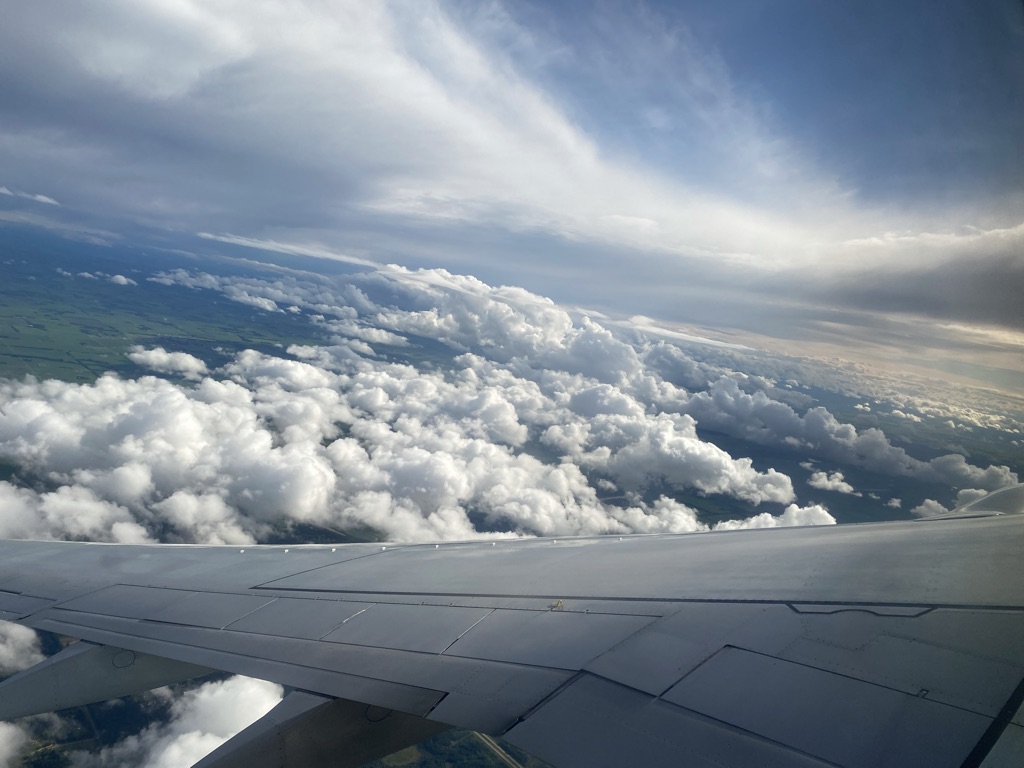
Growing up, my family didn’t travel much. When we did, our trips were mostly to places on Vancouver Island or the mainland. As I got older, I wanted to explore the world to experience different cultures, food, languages, and landscapes. I was fortunate to travel to several different places after graduating from my undergraduate degree. My partner, Jeremy, was already an experienced traveller when we met. He taught me many things I know today about travelling.
This Free Inquiry series will not be a typical travel blog. Instead, it will explore travel through a technology lens. Travel is incredibly different from 50 years ago, when people couldn’t rely on technology everywhere they went. Now, technology is both reliable and easily accessible around the world. Before I travelled internationally, I believed internet and cell service would be hard to find, making most technology less useful abroad. However, during travelling, the longest period I went without connection to cell service was on an airplane to my destination. Even then, I could connect to the internet for a few dollars if I wanted. Everywhere I went, I could connect to internet or service, which made me realize how easy it is to access knowledge and connect with people around the world.
Travelling completely changed my perspective on technology, which was undeniably outdated. This series will highlight some of the technological skills I have learned through different travel experiences, demonstrating how powerful technology is at every stages of the travel process: planning, travelling, and post-travel.
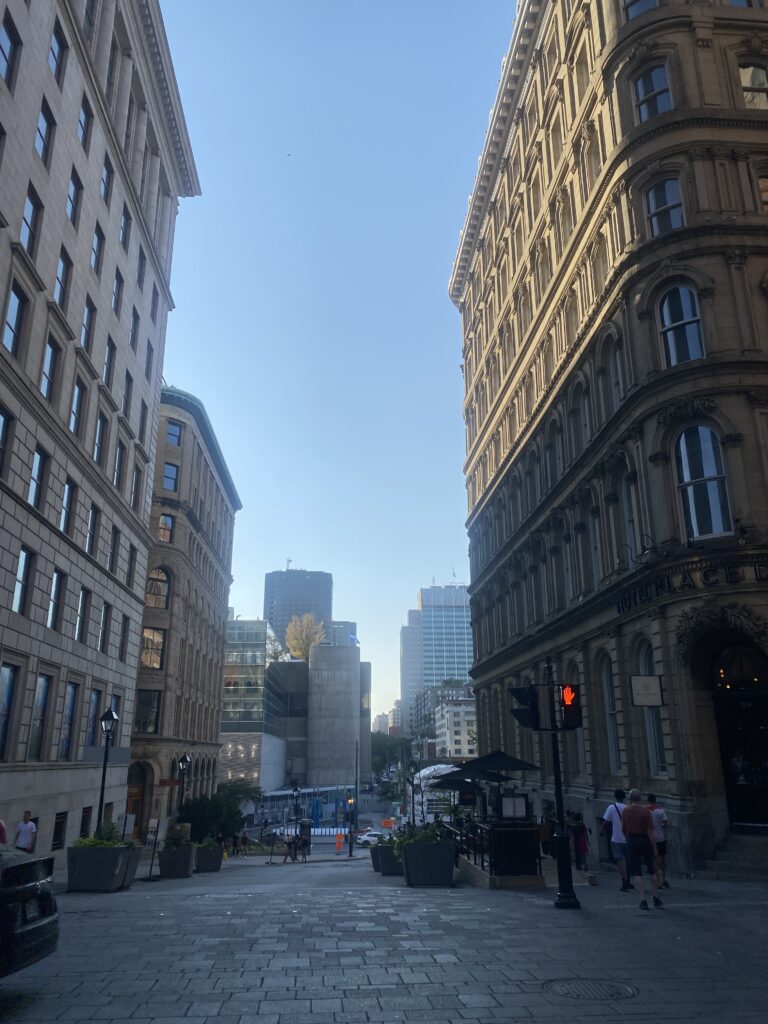
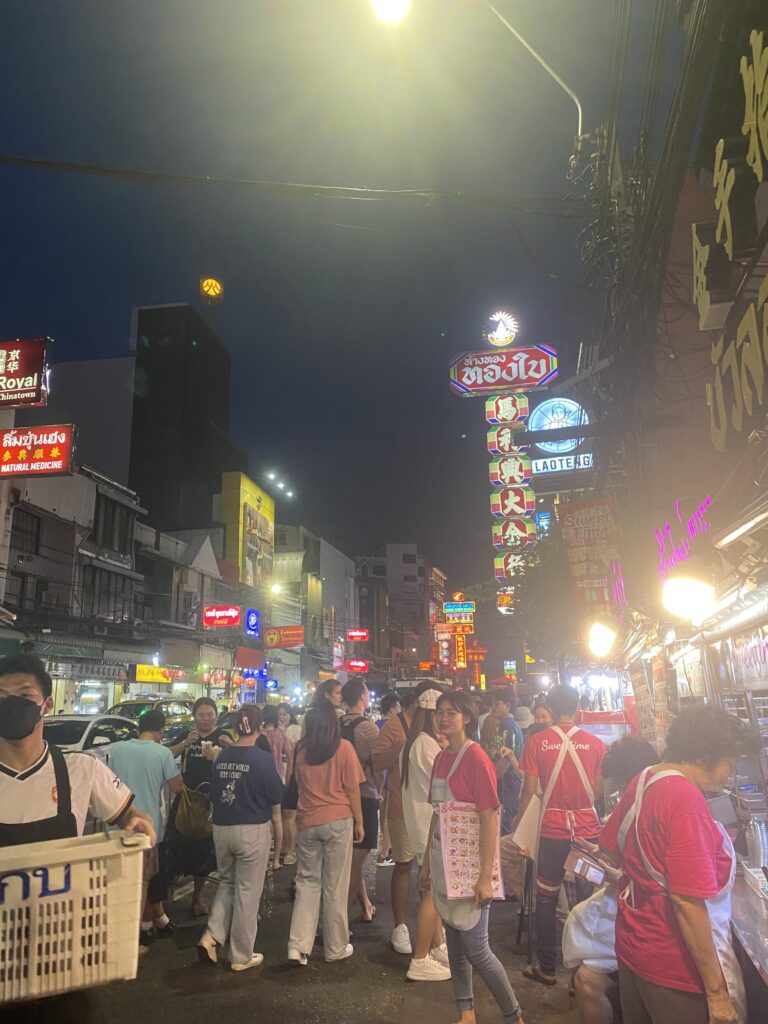
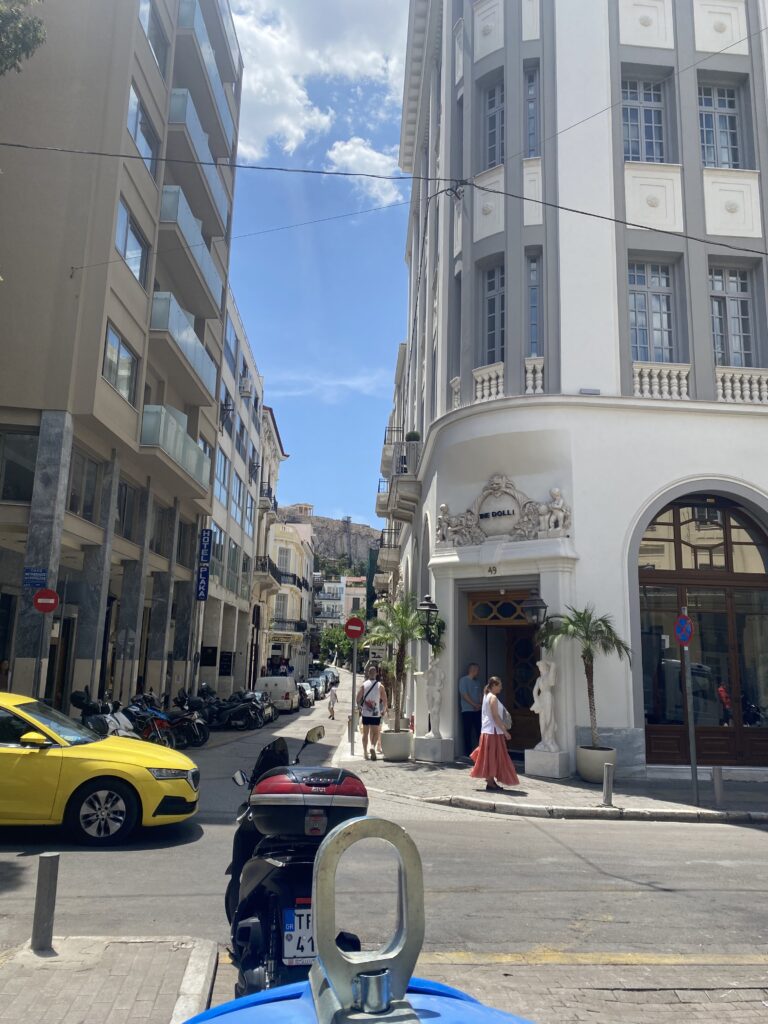


Trip planning used to be coordinated by travel advisors, but now travellers take that process into their own hands. Technology allows people to uniquely design trips that reflect their personal interests places including what they want to see, explore, and experience. When planning a trip, travellers can easily compare the cost of flights, hotels, and transportation to ensure they get the best deals. Personally, I often use google flights for book airfare, and I occasionally use other travel platforms such as Expedia, Booking.com, and Travelocity to book hotels or flights. If you are unfamiliar with a location you can use different media sites like youtube and blogs, such as Rick Steves, to find travel inspiration and actives for specific locations. All of these things take time, so if you don’t have any you can have artificial intelligence (AI) do some of the work for you. AI has become a valuable travel planning tool and can be used to compare websites for the best pricing, generate ideas for activities while abroad, and create personalized itineraries. AI can also summarize information if you don’t have time to watch videos or read blogs. If you want to know what sources AI pulled from you can ask it to give you summarized links to sites so that you have those for reference later.
While travelling, technology allows people to stay connected to their loved ones, record photos and videos of your journey, and find answers to common questions by looking websites such as Quora or Reddit. Travellers can document their journey by using journals and note taking apps. Google Maps or similar GPS systems allow people to navigate where you are going at all times. Translators, such as Google Translate or DeepL, make it easy to communicate abroad by allowing you to understand people who speak different languages.
After returning home, technology continues to play a role. Travellers can create videos, using applications such as iMovie or Canva, which allow users to combine short videos clips, add music, and include voice overs. There are many online services for travellers to create photo books, pairing images with stories and reflections documented during the trip.
Travelling provides us with valuable opportunities to learn about technolgical resources and develop skills that can be applied to everyday life and careers. Throughout my Free Inquiry blog project, I plan to develop my technological skills so that I am better equipped to teach these skills to students. During this inquiry, I will explore the following topics:
- Travel booking methods,
- Creating a travel itinerary,
- Communicating while abroad,
- Transportation while abroad,
- Navigating local technology,
- Creating a travel book, and
- Creating a travel video.